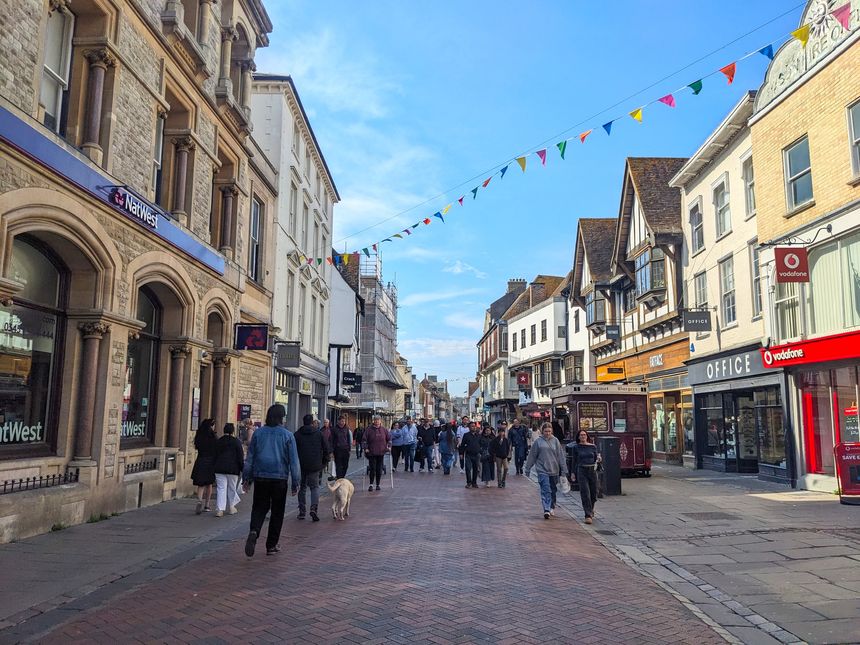

We are barely out of the starting blocks in the New Year and the UK’s high streets seem to be in for another tough 12 months.
For some time now the UK’s hospitality and retail industry has had to grapple with well-documented challenges associated with subdued consumer spending, high energy costs, rising low level crime rates, and high employment costs – particularly recent changes to employer national insurance contributions and the living wage. To add to the mix there are increasing concerns around forthcoming hikes to business rates.
The Valuation Office Agency (VOA) updates the rateable values of all commercial properties in England and Wales every three years. The next revaluation is due to take effect from 1 April 2026. The Telegraph has recently reported that some shops and cafes could face an increase in their business rates of over 50%.
There may be some relief from the increase for certain operators – particularly for the beleaguered pub industry. Other operators, such as independent bookstores who also have a good story to tell in terms of providing a vital community service, are also looking for more support. However, the chances are that many high street operators will find their business rate expenses going up at a time when their profits are already being heavily squeezed.
Around the turn of the year we saw Leon and Claire’s fall into administration. Russell & Bromley are also reported to be in difficulty. These are larger multi-store operators – for each, there will be many smaller high street businesses also suffering. They may have been relatively well insulated until now against rising business rates through existing government relief schemes for smaller businesses, but those are likely to be tapered off in the coming years.
It’s for this reason that we have predicted a very tough year ahead for the UK’s retail and hospitality businesses in our outlook for the year – see more on that here.
Businesses at the receiving end of increases in business rates should give some careful thought as to how to absorb any increase in their operating costs. Some may want to consider, for example, re-visiting the size of their property portfolio, or whether to undertake a wider operational restructuring, extend any external loan maturities or engage external advice as to how best to act in the event of future financial distress.
/Passle/611cdc4cfac91e0bc434389f/SearchServiceImages/2026-01-14-09-48-22-824-69676666795a8a75bc64d239.jpg)
/Passle/611cdc4cfac91e0bc434389f/MediaLibrary/Images/2026-01-09-15-03-42-220-696118cecf4f3e55eb7b7cf4.jpg)
/Passle/611cdc4cfac91e0bc434389f/MediaLibrary/Images/2026-01-09-15-03-43-232-696118cfcf4f3e55eb7b7cf9.jpeg)